

What is Private Mortgage Insurance (PMI)?
Demystifying PMI: What Is Private Mortgage Insurance and Do You Really Need It?
Buying a home is a massive milestone, but the financial jargon that comes with it can feel like decoding a secret language. If you’ve been browsing mortgage options or talking to lenders, you’ve likely run into the acronym PMI, or Private Mortgage Insurance.
If you’re wondering what it is, how much it costs, and—most importantly—how you can get rid of it, you’re in the right place. Let's break down everything you need to know about PMI without the complex financial headache.
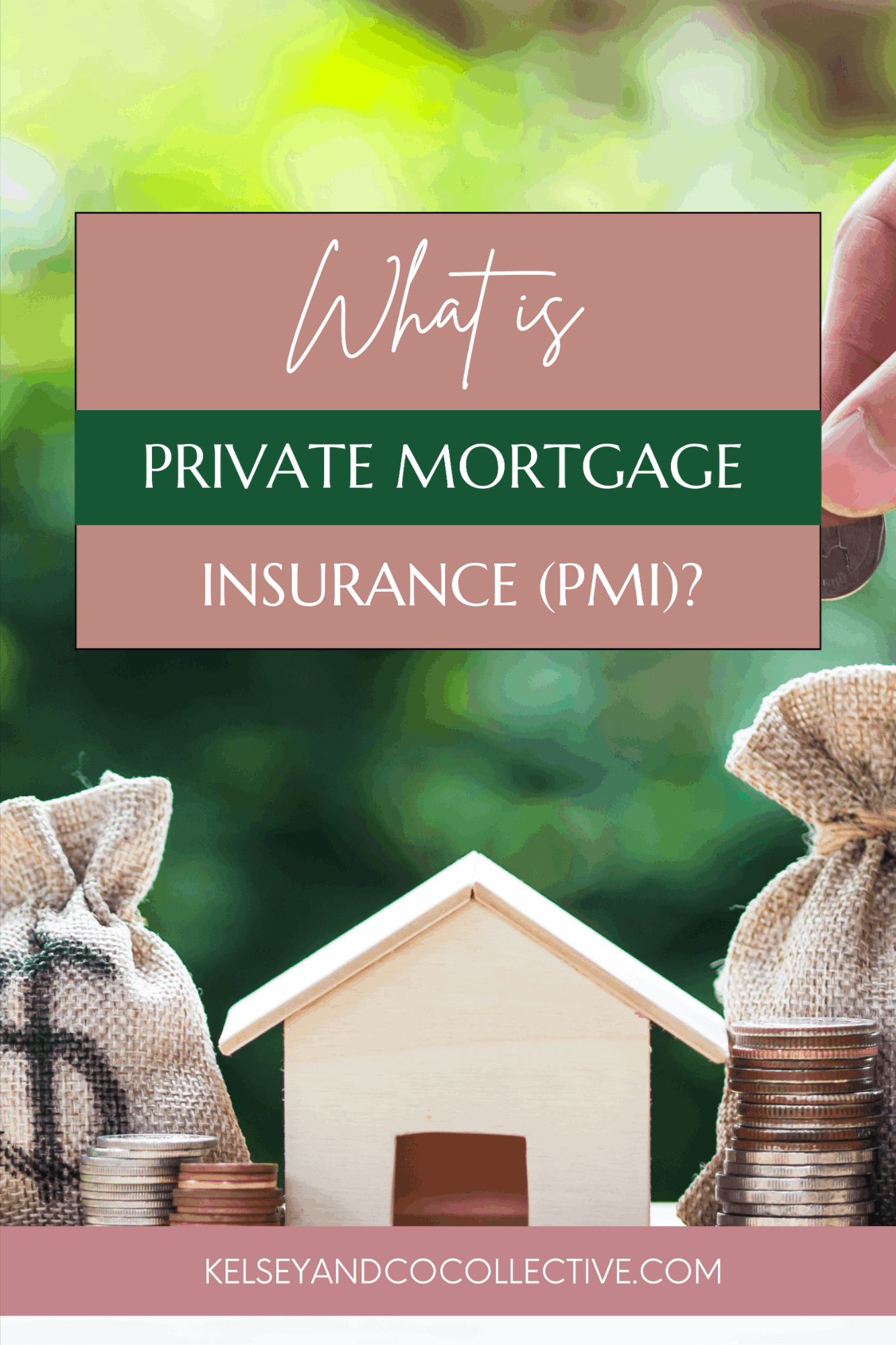
What Exactly Is Private Mortgage Insurance (PMI)?
In short, Private Mortgage Insurance is a policy that protects the lender, not you, if you stop making your mortgage payments.
When you buy a home with a conventional loan and put down less than 20% of the home's purchase price, lenders view the loan as a bit risky. To protect their investment, they require you to pay for PMI.
The Golden Rule of PMI: It exists solely to safeguard the bank in case you default on your loan. Even though you are the one paying the premium, it doesn't protect your credit score or save you from foreclosure if you miss payments.
Why Do Lenders Require It?
It all comes down to risk. Historically, homeowners who put less money down are statistically more likely to default on their mortgages. By requiring PMI, lenders can confidently offer loans to buyers who don't have a massive chunk of cash saved up for a traditional 20% down payment.
Look at the bright side: without PMI, you might have to wait years or even decades longer to save up a 20% down payment. PMI acts as a bridge that allows you to buy a home much sooner.

How Much Does PMI Cost?
The cost of PMI isn't a one-size-fits-all number. It typically ranges from 0.2% to 2% of your total loan amount annually.
Your exact PMI rate depends on a few key factors:
-
Your Credit Score: The higher your credit score, the lower your PMI rate will be.
-
Your Down Payment Percentage: Putting down 15% will result in a much lower PMI rate than putting down 3%.
-
Your Loan Type: Fixed-rate mortgages often have different PMI scales than adjustable-rate mortgages.
For example, if you have a $400,000 mortgage and a 1% PMI rate, you’ll pay $4,000 a year. This is usually broken down monthly, adding about $333 to your monthly housing bill.
How Do You Pay For PMI?
There are a few different ways PMI can be structured, depending on your lender and your preferences:
-
Monthly Premiums: This is the most common method. The premium is added directly to your monthly mortgage payment alongside your principal, interest, taxes, and homeowners insurance.
-
Up-front Premium: You pay the entire PMI premium for the year at the closing table.
-
Hybrid (Split) Premium: You pay a portion upfront at closing and the remainder in smaller monthly installments.
The Best Part: How to Get Rid of PMI
Unlike government-backed loans (like FHA loans, which often require insurance for the entire life of the loan), conventional PMI doesn't last forever. You can ditch it once you've built up enough equity in your home.
Here is how you can cancel it:
1. Automatic Termination
By law, your lender must automatically cancel your PMI when your loan balance reaches 78% of the original value of your home, provided you are current on your payments.
2. Request Cancellation
You don't have to wait for the automatic trigger. Once your loan balance drops to 80% of the original value, you can write a formal request to your lender to cancel the PMI.
3. Get a New Appraisal
If home values in your neighborhood have skyrocketed, or if you’ve made significant renovations, your home might be worth much more than when you bought it. If your current loan balance is 80% or less of the new appraised value, you can ask your lender to recalculate your equity and drop the PMI.
4. Refinance
If interest rates have dropped or your home value has significantly increased, refinancing into a new conventional loan without PMI could save you a bundle.
Is PMI Worth It?
While nobody likes paying an extra fee every month, PMI shouldn't be viewed as a dealbreaker. If buying a home now means you stop paying rent and start building equity in a rising market, paying a couple of hundred dollars a month in PMI might actually be the smarter financial move in the long run.
The key is to keep an eye on your home's value and your loan balance so you can wave goodbye to PMI the exact moment you hit that 20% equity milestone!
Interested more about life in Kitsap, WA? Reach out to Kelsey for her interactive guide to Kitsap filled with local tips - restaurants, things to do, and local vendors. Thinking about buying or selling? Kelsey would love to chat to see how she can help or if she is a good fit for you. She also knows agents around the country part of her military-affiliated network - The Military Move - she would love to connect you.
Categories
Recent Posts








GET MORE INFORMATION